Two Scenarios for Volume Signals
This article documents a real trading lesson about how FX Volume data behaves differently depending on whether a move is news-driven or organic.
Thursday: ECB Interest Rate Decision (EUR)
The ECB announced their interest rate decision and the market reacted as expected. About 90 minutes later, FX Volume showed rising demand for EUR positions and a significant decrease in EUR net long volume.
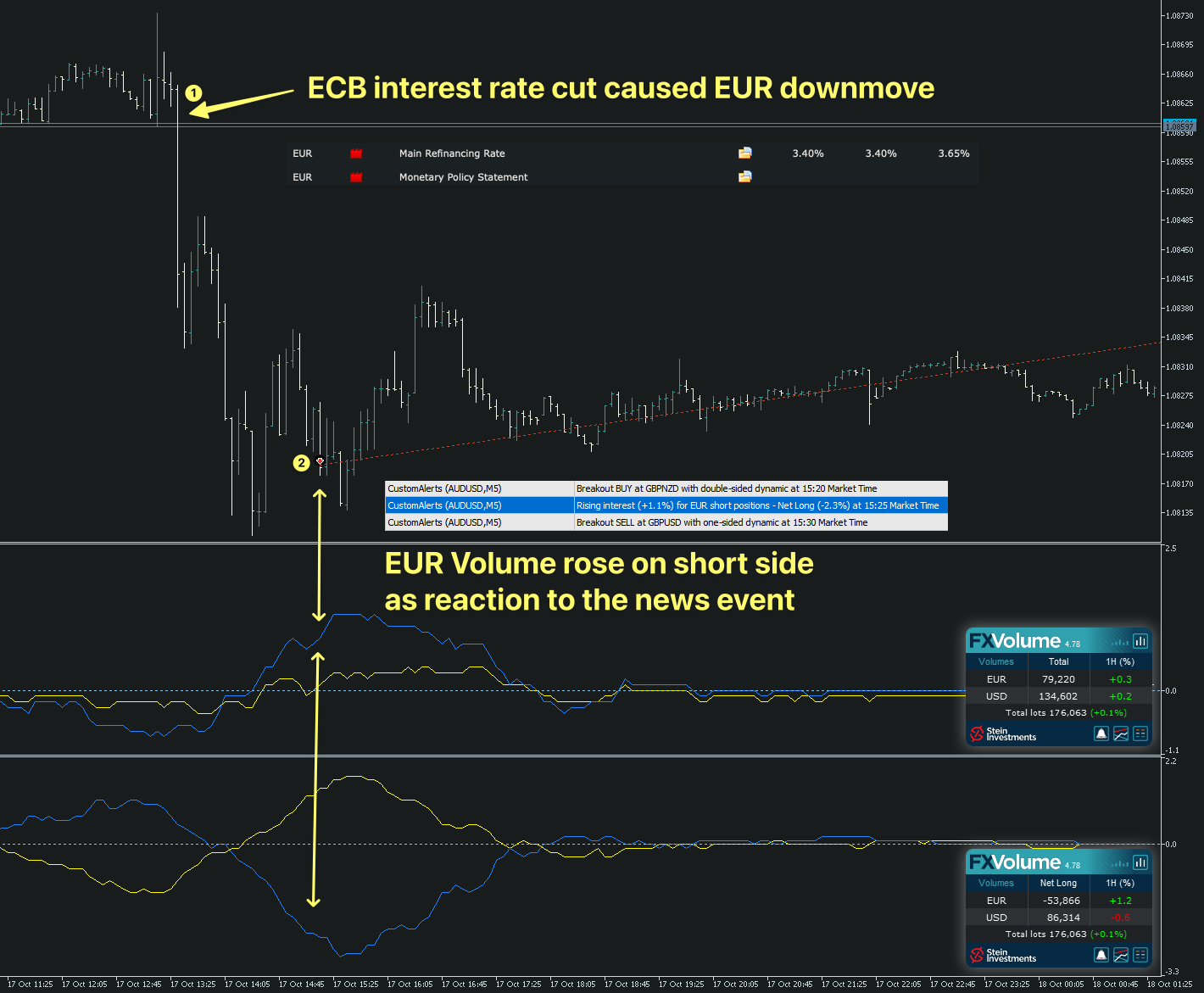
The signal suggested going short EUR - and that is what I did. But it did not work. The trend was over, and the EUR strengthened again until the EURUSD trade was stopped out.
Friday: GBP Retail Sales Beat
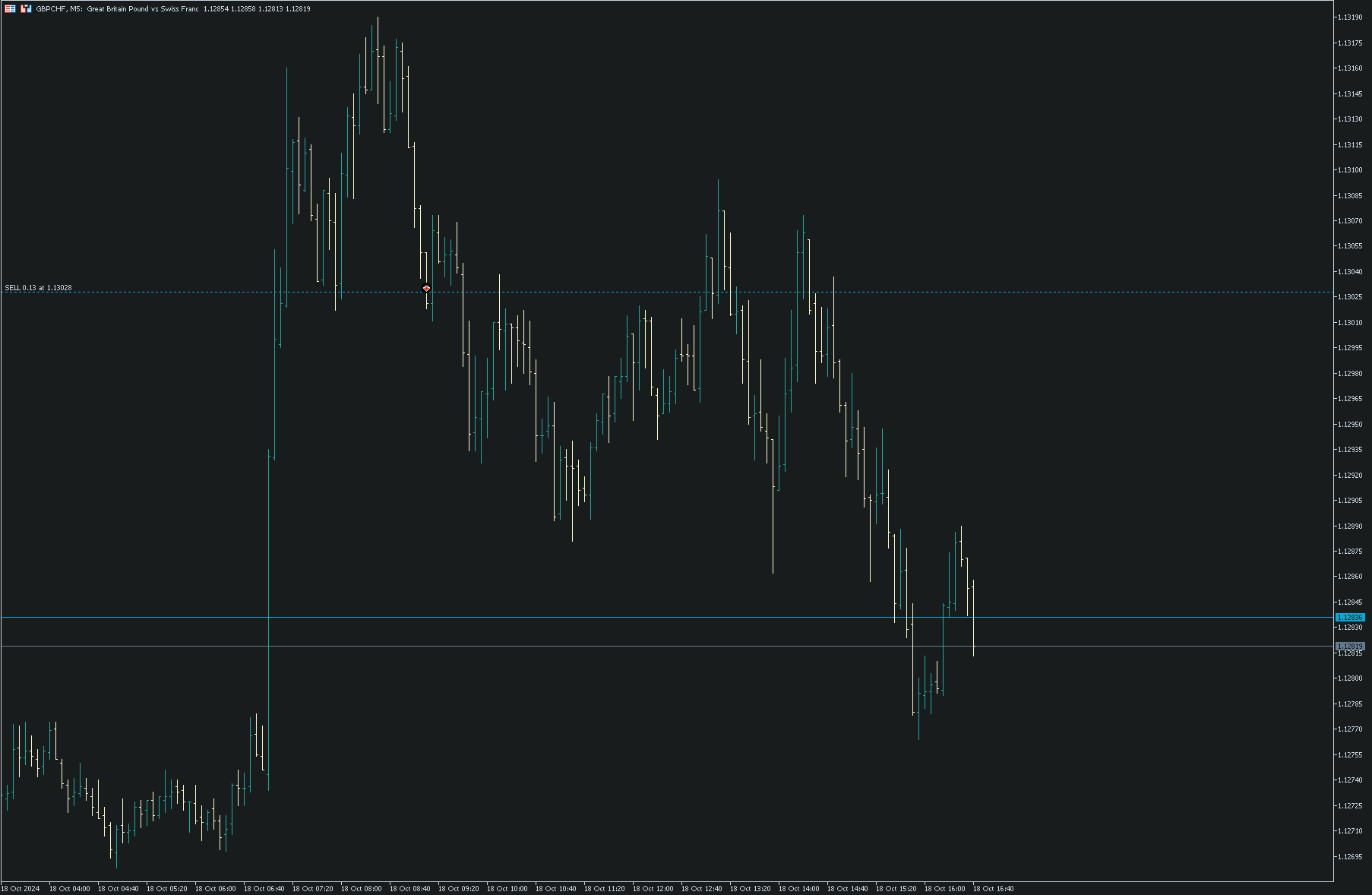
Friday opened with a massive bullish move for the GBP, driven by better-than-expected Retail Sales data. Again, about 90 minutes later, FX Volume showed rising interest in GBP positions with sharply increasing net long volume.
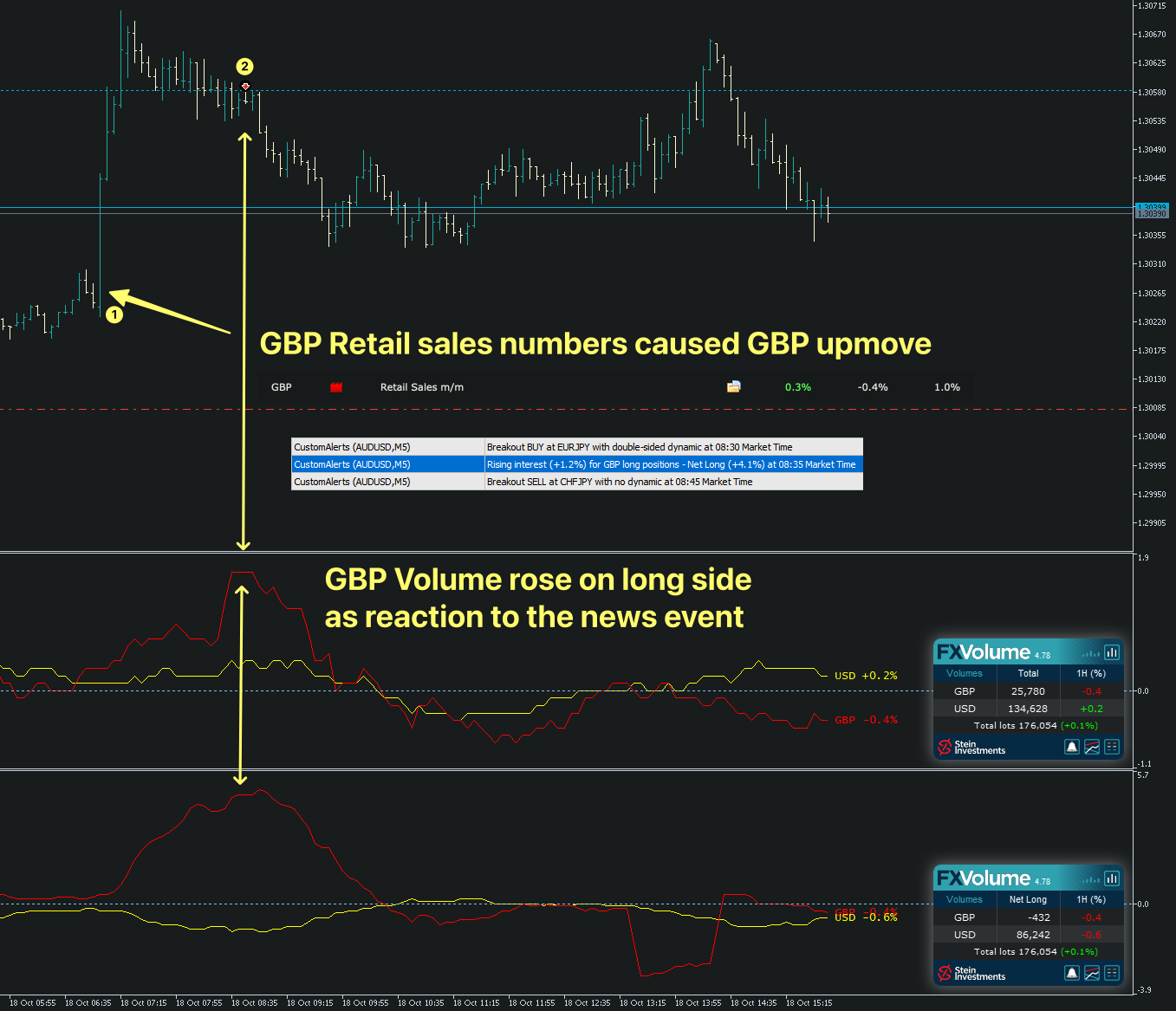
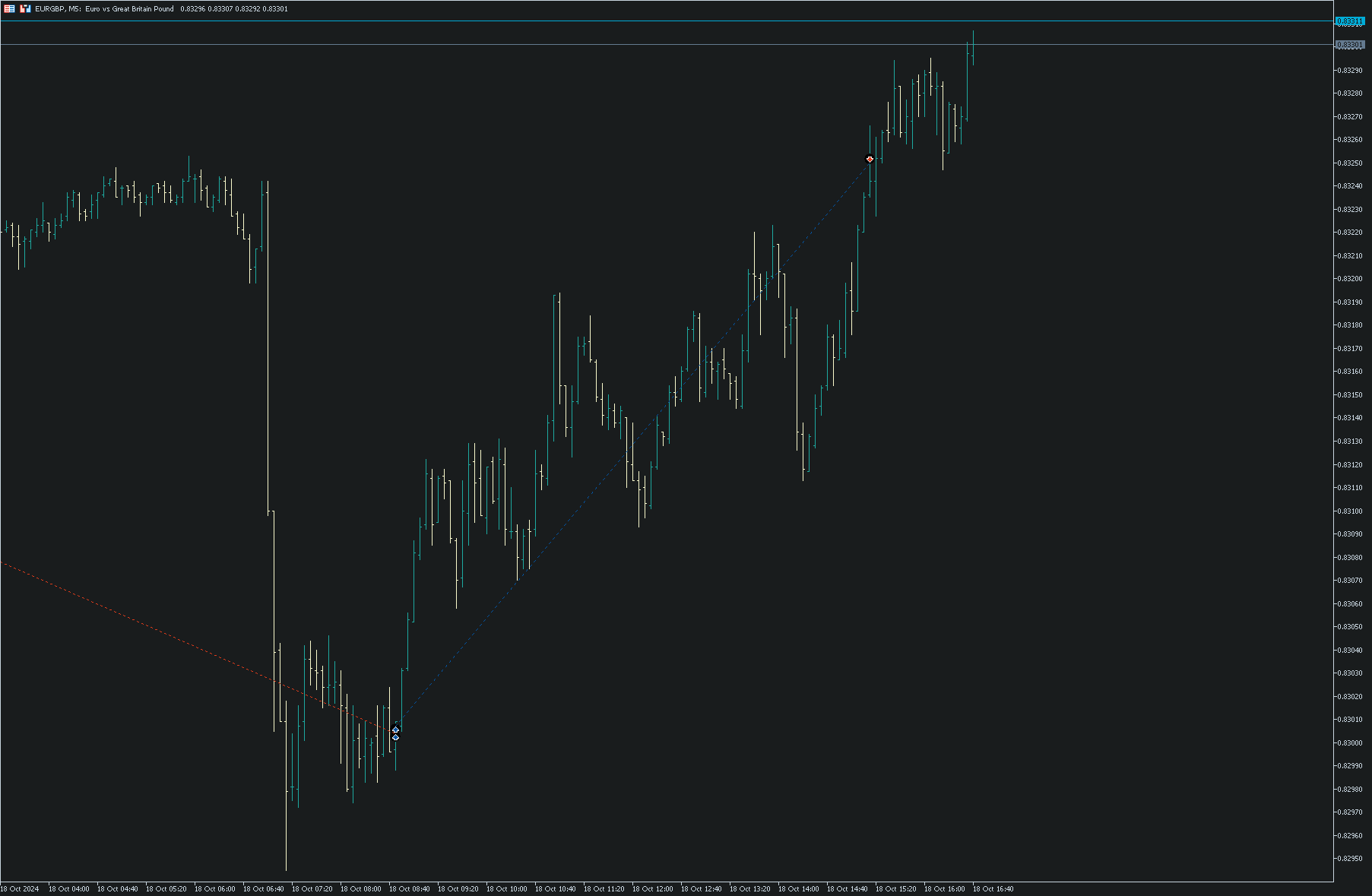
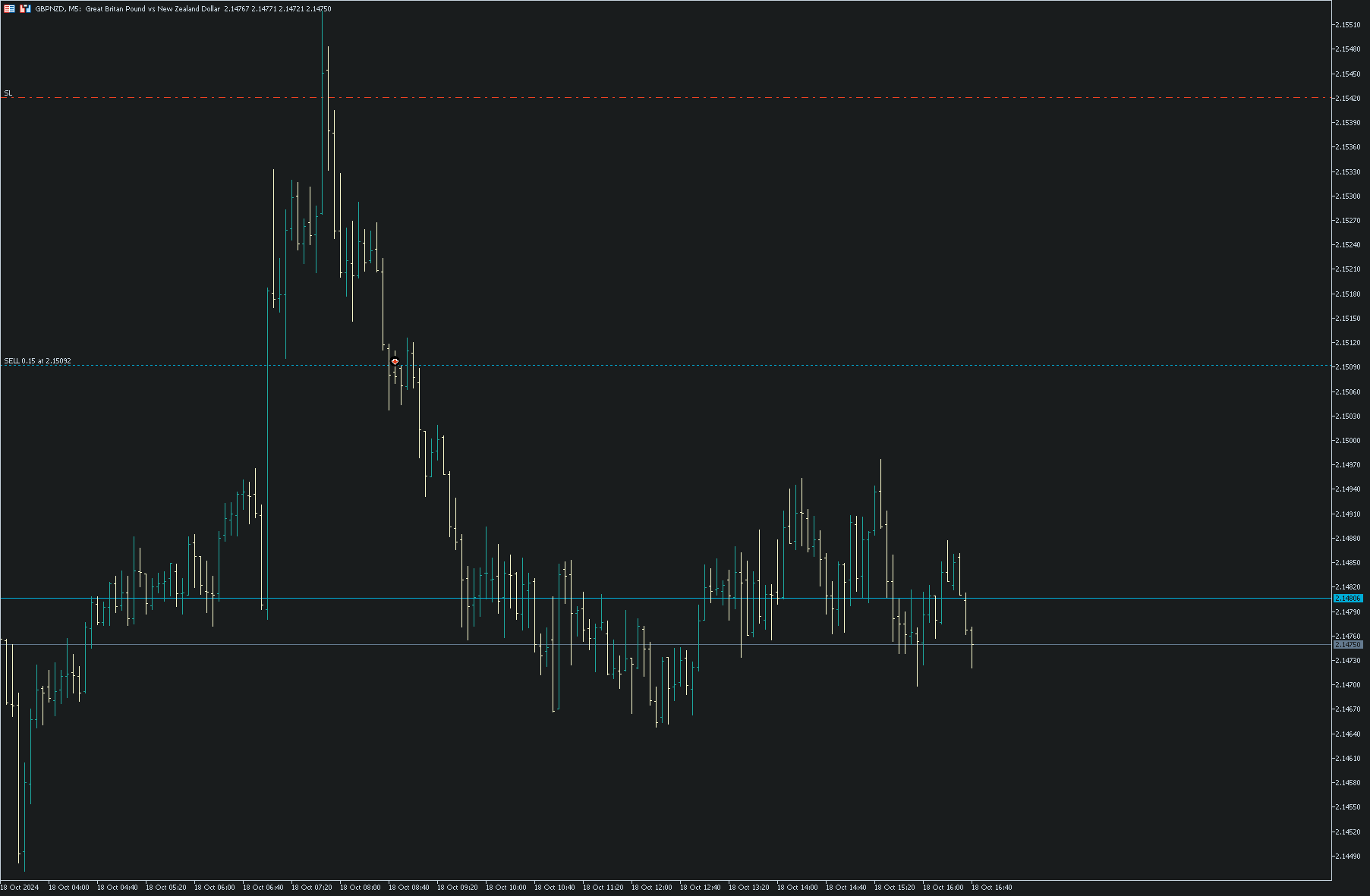
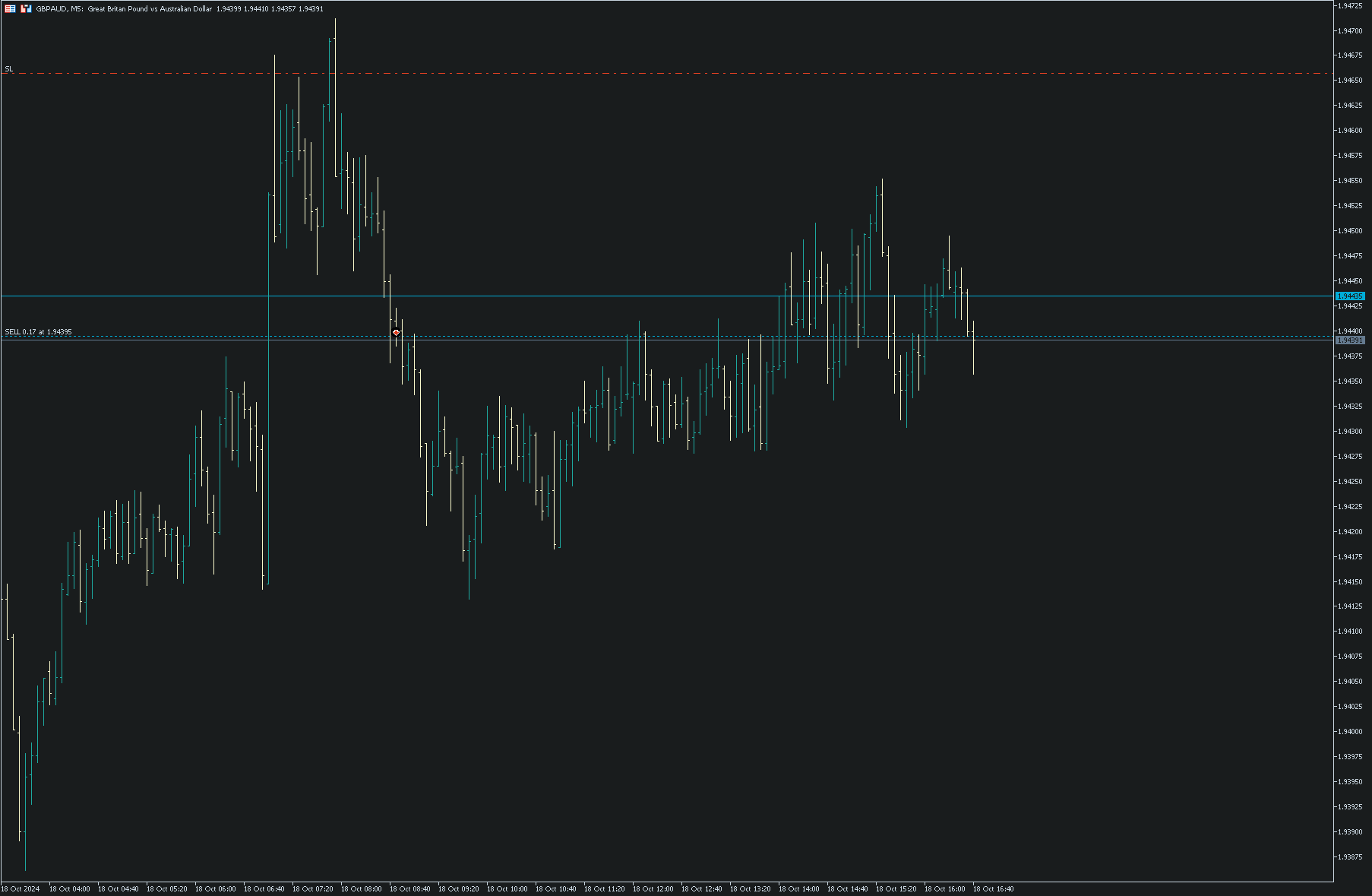
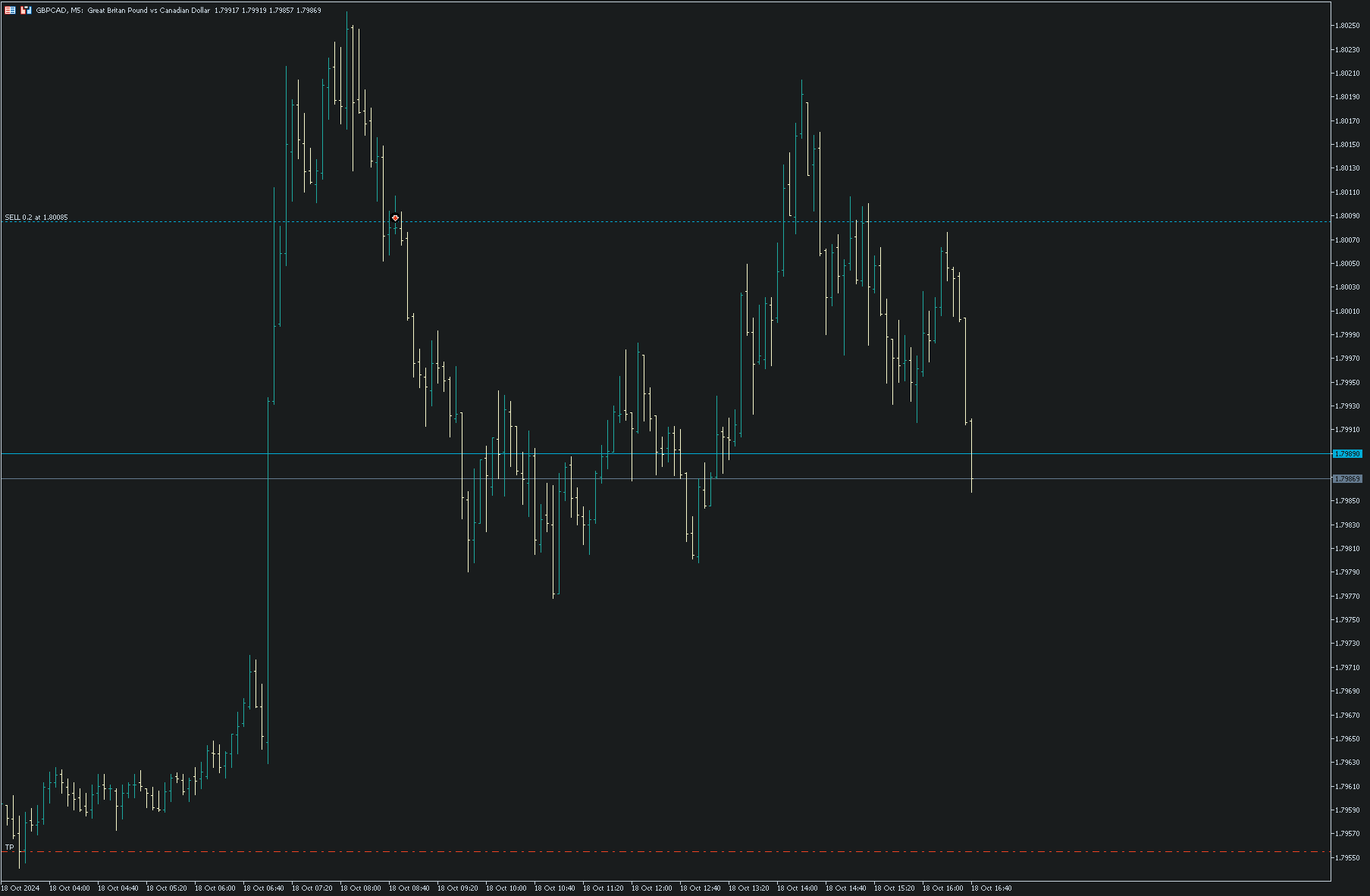
This time, I learned from Thursday's mistake and traded against the clear GBP long trend. It worked. Here is why:
The Two Volume Scenarios
Scenario 1: Organic movement (no news) Interest in a currency rises spontaneously. The volume signal is reliable because it reflects genuine market sentiment building. Trade with the volume signal.
Scenario 2: News-driven movement A trend is caused by an external event and retail volume lags behind. By the time volume catches up with what the market already priced in, the move is often exhausted. The volume signal becomes a contrarian indicator. Trade against it.
The Decision Rule
Ask yourself: Is there an external cause for the rising interest in this currency?
- No external cause - go with the volume trend
- News event caused it - consider trading against it
The Results
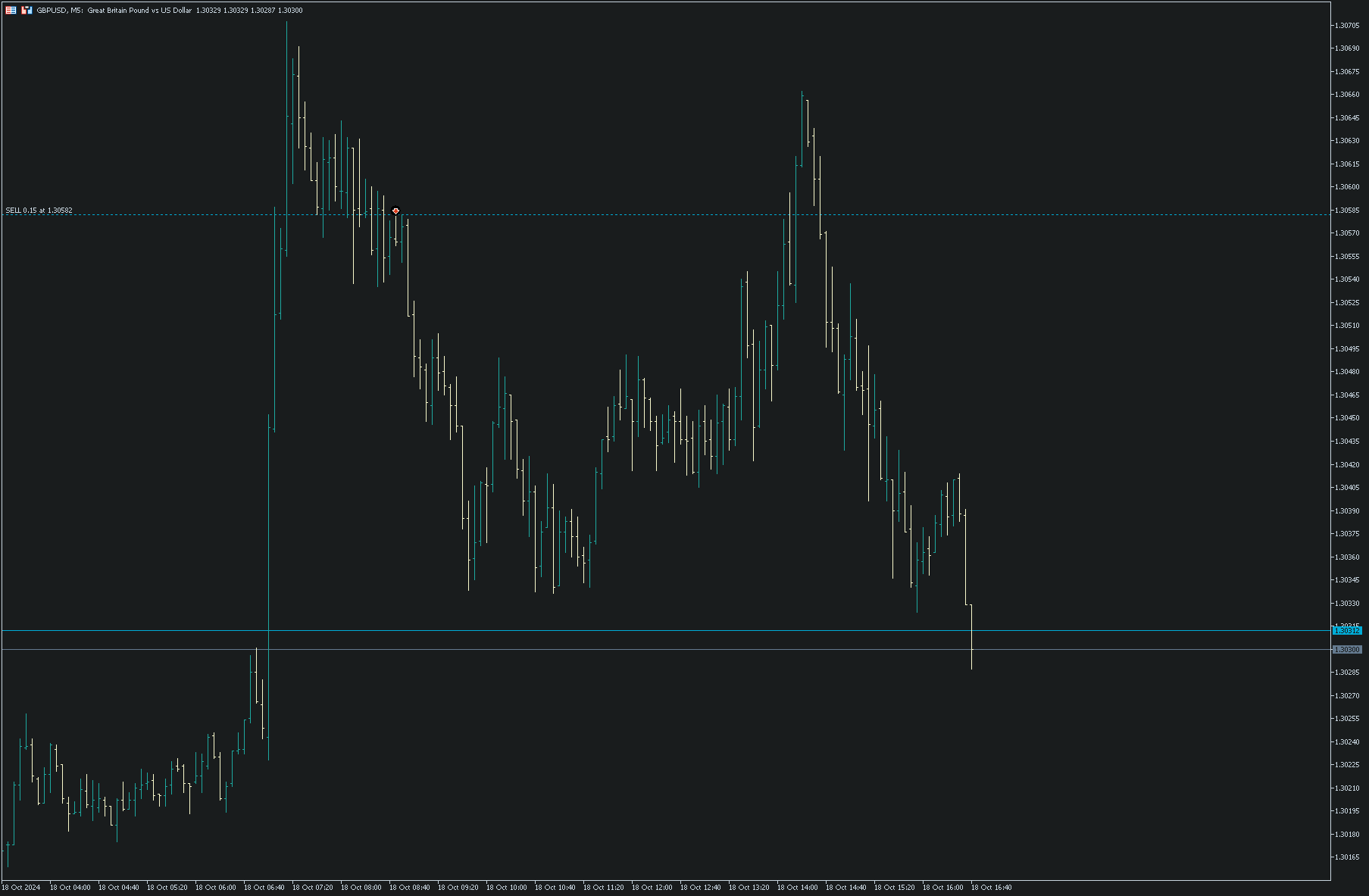
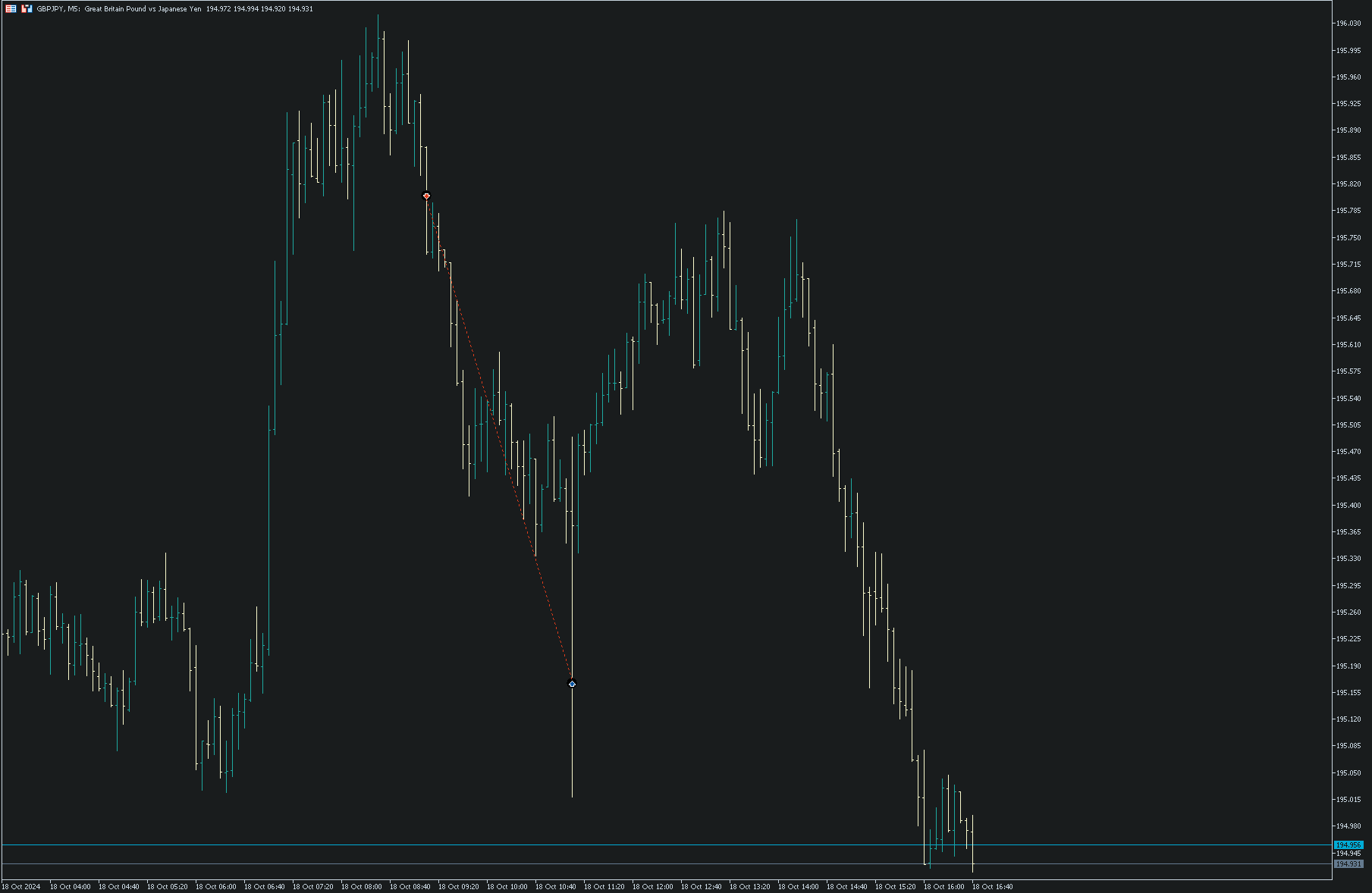
These are the GBP trades from that Friday session, all taken at the same time:
For more on how to use FX Volume effectively, see the FX Volume Complete Guide and the Volume Power Trading strategy.